
The 31st Conference of the Parties (COP31) to the UN Framework Convention on Climate Change was an even bigger failure than I could have predicted.
I expected this annual greenhouse gas spewing confab to follow previous COP scripts: the negotiators fail to reach an agreement within the allotted time; they extend negotiations; and ultimately hammer out an agreement, hold a press conference, and pat themselves on the back for saving the world from the Apocalypse.
However, at COP 31, not even a tepid agreement was signed. Perhaps reality is setting in that international conferences cannot prevent climate change by ending the use of fossil fuels.
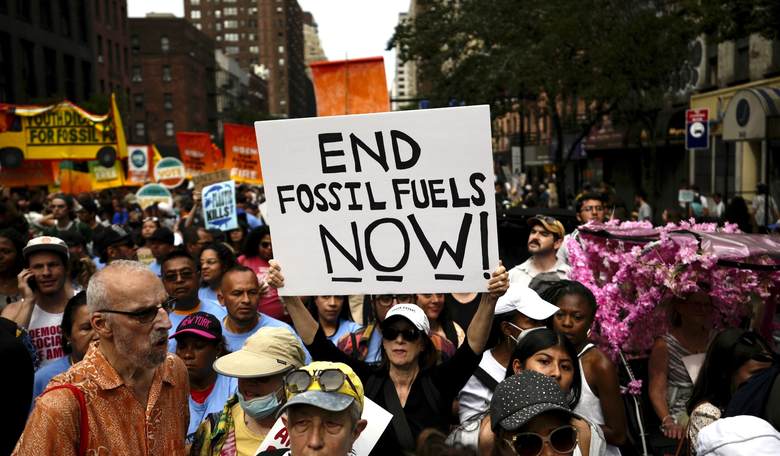
COP31’s treaty negotiations fell apart over a key sticking point: the failure to acknowledge fossil fuels as the key driver of climate change and, thus, an agreement on a timeline to phase out their use quickly.
For three decades, ending fossil fuel use has been COP’s goal under the argument that the world must substantially reduce greenhouse gas emissions to prevent dangerous climate change.
After 31 official conferences and scores of other meetings, which directly contributed millions of tons of greenhouse gas emissions, they can’t even agree on their basic beliefs and objectives.
To be clear, each and every previous meeting was a failure as well. Not a single COP to date has forged a lasting compact, treaty, or agreement. Here’s a brief rundown of the COP track record.
In 1992, 165 countries signed the United Nations Framework Convention on Climate Change (UNFCCC), agreeing to “stabilize greenhouse gas concentrations in the atmosphere.” To do so, 43 industrialized countries agreed to implement voluntary measures to stabilize their greenhouse gas emissions at 1990 levels by the year 2000. They missed that target badly. More than 30 years after the deadline, that goal has gone unmet, and carbon dioxide emissions have increased.
In 1997, parties to the UNFCCC negotiated a new treaty: the Kyoto Protocol, with the same developed countries agreeing to legally binding greenhouse gas emission reductions averaging 5 percent below 1990 levels by 2012.
History repeated itself. The parties to the Kyoto Protocol missed their greenhouse gas emission reduction targets by a wide margin — with no penalties.
In the 2015 Paris Agreement, 196 countries agreed to cut or stabilize greenhouse gas emissions at levels necessary to prevent a warming of 2 degrees Celsius above preindustrial levels. The UN estimated this would mean cutting global greenhouse gas emissions by 80 percent by 2030 and producing net-zero emissions by 2050. In the meantime, the countries set interim timetables with specific emission reduction targets.
No country has met its commitments, and global carbon dioxide emissions are still increasing.
Also, at Paris in 2015, world governments agreed to provide $100 billion to a Green Climate Fund (GCF) each year — a fraction of what the new loss and damages agreement would require.
The GCF was created to help developed countries adapt to future changes to the climate. As with the carbon dioxide emissions reductions in Paris, nations were not legally bound to fund the GCF, and in fact they have not done so. In the years since the GCF was established, nowhere near $100 billion in total has been provided to it, which was the sum payment per nation per year.
In 2025, COP30 created an agreement that said essentially, we really, really promise to reduce fossil fuel use and pay reparations or mitigation to developing countries. However, little to nearly no progress toward the goals has been made. Indeed, by COP31, many countries have already backtracked, endorsing the continued use of fossil fuels as necessary to economic progress, prosperity, innovation, and opportunity.
When it comes to COP and CO2, the atmosphere just doesn’t care. COP agreements, and even domestic efforts by governments around the world, have failed to change the trajectory or even alter the rate of rise for CO2 because economies need and people want fossil fuels.
In the end, COP31 failed for the same two reasons every previous COP has failed.
First, politicians want to stay in power, and most of the countries active in COP are at least partially representative democracies needing significant public support to stay in power. Over time, in most such situations (the UK being a weird exception, it seems), when climate restrictions are allowed to take force and impose hardships and higher costs on the electorate, the governments are forced to back off, reduce goals or restrictions, or risk losing power.
Second is simpler, as stated by Thomas Hobbes centuries ago: “Covenant without the sword is but words, of no strength to secure a man [or in this case government] at all.” Because the UN and its creature, COP, have no independent enforcement mechanism to punish parties in non-compliance with their own commitments, it can’t force governments to deliver what they promise.
That’s where this and all future climate agreements and COPs stand, or in this case, fall. They are futile efforts to entice, encourage, and cajole nations to do what is not in their or their people's interest to do. Each meeting, with their private planes, four-star meat-heavy meals, luxurious accommodations, and power use for tens of thousands of attendees, emits more carbon dioxide than any of the agreements, or all of them combined, have prevented over time. COPs are gross carbon emitters, not even close to net zero.
Honestly, since there is no climate catastrophe in the offing, we can all be thankful the COPs have failed. It’s just a shame that so many precious resources have been squandered at each one.
How much better off would the world’s people have been if the money spent in the vain attempt to control the weather had been devoted directly to poverty reduction, food distribution, ending energy poverty, or wealth creation through technological development and business investment?
H. Sterling Burnett, Ph.D., (hsburnett@heartland.org) is the Director of the Arthur B. Robinson Center on Climate and Environmental Policy at The Heartland Institute, a non-partisan, non-profit research organization based in Illinois.