





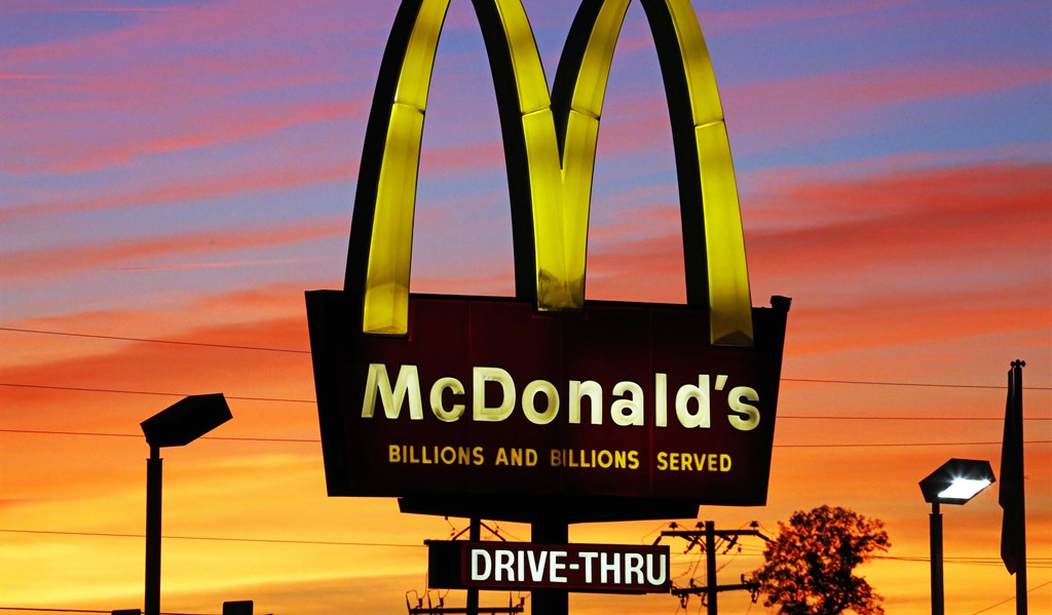
Nostalgia sells. Specifically, classic American nostalgia sells.
Travel almost anywhere outside of the U.S., and you will encounter a curious phenomenon. In a diner in Japan, an Elvis Presley song crackles through the speakers. In Germany, enthusiasts gather to celebrate classic American automobiles from the 1950s. In Brazil, families line up for hamburgers beneath the golden arches. In South Korea, vintage Hollywood posters decorate cafés. Across Europe, Marilyn Monroe remains an instantly recognizable icon decades after her death.
People who have never visited the United States often feel affection for an America they never knew. The jubilation expressed over certain U.S. amenities by FIFA soccer players and fans recently demonstrated this.
What makes this so remarkable is that the feeling is rarely reciprocated. Americans may admire aspects of other cultures, but it is doubtful many spend their days longing for an imagined golden age of Belgium, Argentina, or Thailand. There is no worldwide movement of Americans collecting memorabilia from a bygone era of Norwegian popular culture or recreating the aesthetic of mid-century Portugal. Yet millions of people around the world remain captivated by an idealized vision of America’s past.
Why?
Part of the answer lies in the unprecedented cultural influence the United States achieved during the 20th century. America’s rise coincided with the rise of mass media. Hollywood films, radio broadcasts, television programs, consumer brands, and popular music crossed oceans in a way no nation’s cultural products ever had before. For much of the world, America became more than a country: it became a symbol.
The America exported abroad was not one of political debates or social problems. It was an America of optimism, prosperity, convertibles, and suburban homes. It was the America of Elvis Presley, Babe Ruth, Marilyn Monroe, Frank Sinatra, Route 66, and the silver screen. Whether entirely accurate or not, it represented confidence, limitless horizons, and… life.
Food chains and brands became part of the mythology: McDonald’s, Starbucks, and Kentucky Fried Chicken are cultural artifacts we’ve imparted to the global imagination. To many people overseas, these companies symbolize participation in a larger story — the story of modern American life. Their popularity is not simply about fries, coffee, or chicken. It is about the connection to an idea.
Why do people continue to cherish these symbols long after the historical moments that produced them have passed? Sociologists increasingly study phenomena such as “retrofuturism” and “cultural memory.” But angst-driven visions of “a tomorrow that never was” borrow aesthetic cues from 1950s America: tailfins, neon lights, space-age diners, optimistic advertisements, and sleek suburban dreams. The future imagined by many artists today is often yesterday’s future.
American nostalgia is not about historical accuracy. In fact, it is often directed toward a past that never truly existed. The America remembered by many foreigners is not necessarily the America that Americans experienced. It is a remembered amalgam distilled from films, songs, advertisements, and stories. It is a symbolic America — an embodiment of hopes and aspirations more than a precise historical reality.
Nostalgic longings point to something deeper
The British writer C.S. Lewis (1898-1963) observed that humans possess longings that no earthly experience can fully satisfy. We pursue success, relationships, beauty, adventure, or comfort, yet each achievement leaves us wanting more.
Lewis argued that our “inconsolable longings” hint at something beyond the material world: “They (the nostalgic images we associate with them) are not the thing itself; they are only the scent of a flower we have not found, the echo of a tune we have not heard, news from a country we have never yet visited.” If we find ourselves desiring something that nothing on earth can satisfy, perhaps we were made for another world, Lewis reasoned.
Seen through that lens, global nostalgia for America’s golden age becomes more understandable. The affection people feel may not actually be for America at all. Sure, America might be a vessel hinting at the realization of human desires: abundance, innocence, family, belonging, purpose, and hope. The classic American imagery of the mid-20th century happened to capture these aspirations pretty well.
The yearning is not really for Elvis; it is for joy.
It is not really for the open road and an open car; it is for freedom.
It is not really for old Hollywood; it is for wonder.
Because no nation can permanently fulfill those desires, the object of nostalgia remains forever out of reach. Every generation imagines that someone else possesses the happiness it lacks. The result is a longing for a past that appears simpler and more meaningful than the present.
Appreciating the value of all we have
Ironically, many Americans themselves are detached from the cultural inheritance that the rest of the world deeply treasures. Foreign visitors eagerly photograph roadside kitsch that Americans might dismiss as clichés or relics. Familiarity breeds indifference. We might learn to pay attention when the rest of the world preserves memories that America itself is in danger of forgetting.
Americans should be proud of (and grateful for) our culture that inspires millions around the world. The creativity, confidence, entrepreneurial spirit, artistic achievement, and sense of possibility associated with America’s most influential decades remain worthy of appreciation.
The world’s nostalgia for America ultimately tells us something about both America and humanity. It reminds us that culture matters, that symbols endure, and that people everywhere hunger for meaning that transcends the present moment.
The rest of the world lovingly remembers an America they didn’t grow up in; will actual U.S. citizens join in caring?
The challenge for actual Americans is not to recreate that past, but to appreciate why it inspired such affection in the first place. Each of us must decide if American convictions that once stirred imaginations across the globe are still worth preserving today.
Dr. Alex McFarland is an apologetics evangelist who has spoken in hundreds of locations throughout the U.S. and internationally. He is heard live on “Exploring the Word,” airing daily on 200+ radio stations across the country. “The Alex McFarland Show” airs weekly on NRBTV, providing Biblically faithful TV and discussion on current events affecting our nation. His newest book, “100 Bible Questions and Answers on Prophecy and the End Times,” is available now.
Editor’s Note: Do you enjoy Townhall’s conservative reporting that takes on the radical Left and woke media? Support our work so that we can continue to bring you the truth.
Join Townhall VIP and use promo code FIGHT to receive 60% off your membership.



Join the Conversation
VIP members get the ability to comment on articles.