





Veterans with severe PTSD and depression are increasingly traveling overseas for treatments they cannot legally access in the United States.
After exhausting medications and conventional treatments, many are traveling to clinics in countries like Mexico to pursue psychedelic-assisted treatments they believe may succeed where other options have failed. Others are seeking underground providers outside any regulated medical system.
That should concern everyone—not because these treatments are necessarily unsafe, but because veterans are being pushed outside the safeguards of the American healthcare system to access them.
If promising medicines exist, the United States has a responsibility to study them rigorously and, if they prove safe and effective, make them available through a regulated system here at home.
The United States has long maintained the world's highest standards for medical oversight. Treatments approved here must pass rigorous evaluations for safety and effectiveness before becoming available to patients. But today, too many veterans have nowhere safe to turn.
Seventeen veterans die by suicide each day in the United States. Many more live with PTSD and depression that existing treatments fail to adequately address.
These are stubborn, complex conditions. Roughly 40 percent of PTSD patients do not respond to first-line treatments. Many veterans spend years cycling through medications, therapy programs, dosage changes, and referrals with little meaningful relief.
Compounding the problem, it has been more than 25 years since the United States has approved a new treatment for PTSD. For many veterans, the available options simply aren't enough.
With conventional treatments failing, some veterans are making a difficult decision: seeking care outside the United States.
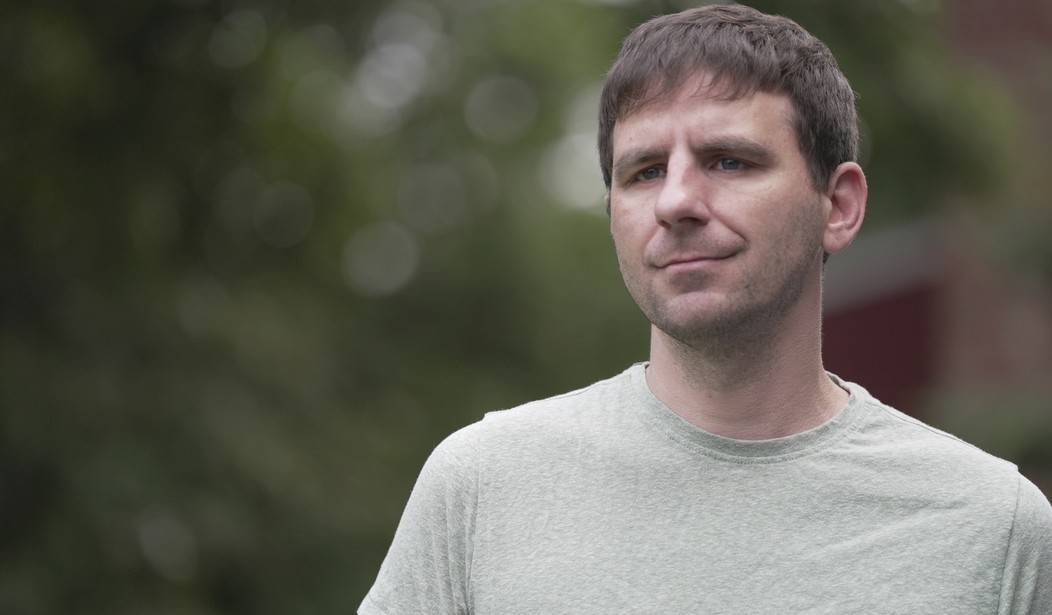
They're traveling overseas to access psychedelic-assisted treatments already being used abroad. One combat-decorated special operations veteran described reaching a breaking point after years of failed treatments. On Veterans Day, he crossed the border to a clinic south of San Diego to receive treatment with a plant-based psychoactive compound.
His story is no longer unusual. Veterans are increasingly navigating unfamiliar providers and inconsistent standards because they believe these treatments may offer their best chance at recovery.
But seeking care abroad comes with a lot of risks. For starters, it's harder to verify if a provider has a legitimate medical license or credentials.
Many of these clinics also operate outside the oversight and safeguards of the U.S. medical system. As CBS News has reported, there are no standardized health screenings before treatment, required monitoring protocols during treatment, or requirements to track adverse effects. That wouldn't be the case on American soil.
It is time to create a safe, regulated pathway for veterans to access these medicines in the United States—under the supervision of trained clinicians and within the protections of the American medical system.
For decades, skepticism surrounding psychedelic compounds largely shut down serious research in the United States. But over the past 20 years, that has begun to change. Major academic institutions have restarted carefully controlled clinical studies, bringing these treatments back into serious scientific and medical discussion.
Governments and regulators are beginning to respond to the evidence. In 2023, Australia became the first country to permit limited clinical use of MDMA and psilocybin under strict psychiatric supervision. U.S. policymakers have recently shown greater openness to expanding psychedelic research.
The clinical evidence continues to grow. In randomized trials, psilocybin medicine has produced rapid and sometimes sustained reductions in symptoms of major depression. MDMA-assisted treatment has also shown substantial reductions in PTSD symptoms. In one Phase III clinical trial, 67 percent of participants no longer met the diagnostic criteria for PTSD after treatment.
Importantly, these treatments are being held to the same scientific and regulatory standards applied to any other medicine seeking approval. Nothing should move forward without rigorous FDA review. But if ongoing research continues to demonstrate strong results, veterans should not be forced to leave the country—or the regulated healthcare system—to access care that may help them heal.
Veterans are already seeking these treatments. The real question is where—and under what conditions—they receive them.
They deserve the safest option.
Aaron Q. Seibert serves as a Wounded Warrior Liaison, host of the "Combat Vet Vision" podcast, vice president of the Warrior Built Foundation, and heads the West Coast offices of the PTSD Foundation of America. He served three combat tours as a Navy Corpsman and is the recipient of a Purple Heart.
Editor's Note: Do you enjoy Townhall's conservative reporting that takes on the radical Left and woke media? Support our work so that we can continue to bring you the truth.
Join Townhall VIP and use promo code FIGHT to receive 60% off your membership.


Join the Conversation
VIP members get the ability to comment on articles.