
Iran has spent months threatening the world over the Strait of Hormuz.
Don’t cross us. Don’t challenge us. Don’t ignore our rules. Don’t cooperate with the Americans.
Or else.
Well, the ships are moving.
That’s the part Tehran can’t explain away.
Traffic through the Strait of Hormuz has begun recovering despite Iran’s threats, even as the regime announces new penalties for vessels that refuse to play by its rules. Some ships are using routes Iran doesn’t recognize. Others are sailing with their transponders switched off, making the precise traffic picture difficult to measure. But the larger point is becoming harder for Tehran to hide: intimidation isn’t working the way it used to.
Iran, naturally, is handling this with all the composure you’d expect.
Mohsen Rezaei, the regime’s new security chief, warned that countries cooperating with America’s economic campaign could be treated as committing an “act of war.” Tehran is also threatening retaliation against neighboring countries and economic interests if they help Washington tighten the screws.
Threats. More threats. And then some threats about the previous threats.
Here’s a thought.
Maybe they’re nervous.
Because while Tehran is busy telling everybody what terrible things it might do, Treasury Secretary Scott Bessent is preparing to tell the world what the United States actually will do.
Bessent calls it an “economic D-Day.” He says the administration intends to marshal America’s financial power to isolate Iran and force countries still doing business with the regime to make a choice. Keep financing Tehran, or maintain access to the world’s most important financial system.
That’s not another bomb run.
It’s potentially more painful.
Iran needs money. The regime needs oil revenue. The IRGC needs resources. Terrorist proxies don’t operate on good intentions. Missiles aren’t free. Neither are drones, weapons programs, internal repression, or the sprawling security apparatus required to keep an increasingly unhappy population under control.
Follow the money, and eventually you find the regime’s oxygen supply.
And right now somebody is stepping on the hose.
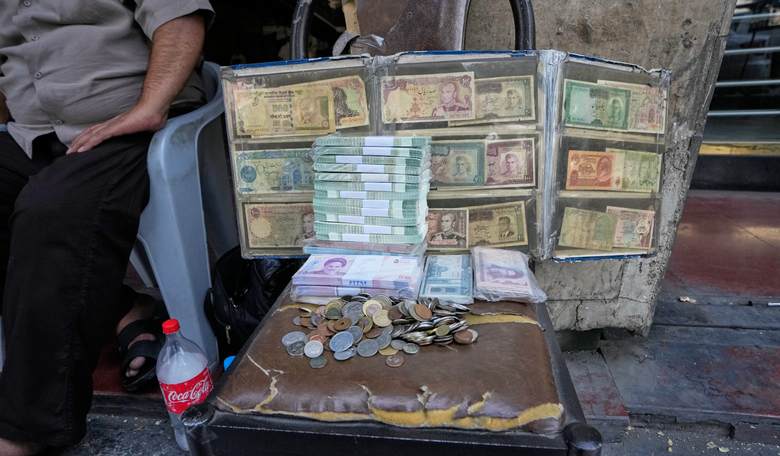
The Iranian rial opened Monday at roughly 2.02 million to the dollar on the informal market — another record low.
Two million.
Let that number sit there for a second.
China remains Iran’s most important oil customer, and that’s where this gets especially interesting. Reuters reports Iranian exports to China fell to an estimated 534,000 barrels per day in August, down from 823,000 in July. Washington has already targeted smaller Chinese refiners and is increasingly forcing the question Beijing would rather avoid: how much economic pain is China prepared to absorb for the privilege of keeping Tehran afloat?
That’s the ballgame.
Not another speech at the United Nations. Not another European diplomat announcing that everyone had a very productive meeting. Not another Iranian official threatening Armageddon before lunch and asking for negotiations after dinner.
Money.
Take away enough of it and eventually the regime has to choose what it can still afford.
Iranian President Masoud Pezeshkian has acknowledged the economic pressure his country faces even as other regime officials insist the new American campaign is an act of desperation.
Both things can’t really be true.
If America’s economic pressure is meaningless, why threaten countries that cooperate with it?
Why warn Gulf neighbors?
Why rage against sanctions that supposedly won’t work?
Why all the noise?
Because Tehran understands what’s coming.
None of this means Iran suddenly becomes harmless. Quite the opposite. A wounded regime with the IRGC still at its disposal can be exceptionally dangerous. Iran has spent decades using terrorism, proxies, and regional intimidation as instruments of state power. Nobody should expect the men running that system to discover humility because their currency is collapsing.
Desperate regimes do desperate things.
So watch them.
But don’t rescue them.
That’s the mistake Washington has made too many times: apply pressure, watch it begin to work, become frightened by the consequences of success, and then offer Tehran an escape hatch before the pressure finishes the job.
Not this time.
Bessent is promising the toughest economic isolation campaign yet, aimed not merely at Iran but at the foreign buyers, banks and commercial networks that allow the regime to keep functioning.
Good.
Iran’s leaders have spent years telling the world that they control the Strait of Hormuz.
The world believed them because they could make shipping companies afraid.
Now the ships are beginning to move again.
The rial is collapsing.
Oil revenue is under attack.
And Iran’s leaders are threatening practically everybody within shouting distance.
Funny thing about power.
When you actually have it, you usually don’t have to spend this much time telling everyone you do.
Iran wanted the world to believe it owned the Strait of Hormuz.
This week, the ships themselves started saying otherwise.