

Former Special Prosecutor Jack Smith is set to testify before Congress about his shambolic investigations into Donald Trump. He led two probes: one investigating whether he mishandled classified materials and another regarding Donald Trump’s alleged role in the January 6 riot. The president was indicted for the latter: “Conspiracy to defraud the United States; conspiracy to obstruct an official proceeding; obstruction of and attempt to obstruct an official proceeding; and conspiracy against rights.”
When you have an army of lawyers and an unlimited budget, you’re going to get an indictment. Now, the fact that they were shakier than cafeteria Jell-O says everything about the evidence. The classified documents probe was dismissed in court. Eventually, with Trump winning the 2024 election, both anti-Trump ventures were shut down.
Yet, Captain Jack should be grilled heavily on his conduct toward the end of this circus. When the big top came crashing down, he walked back remarks about being in the know regarding all aspects of these investigations. When pressed in a deposition, he caught a case of amnesia.
There were subpoenas that were highly irregular, such as requests for the phone records of sitting members of Congress, some of which exceeded the investigation's purview. Of course, this oversight was Trump’s fault. For example, Smith’s cronies wanted then-Speaker Kevin McCarthy’s phone records, even though they already had them; it was meant to show everyone that his office could and can do anything.
He later admitted that Cassidy Hutchinson, who supposedly delivered ‘bombshell’ testimony about the riot to the House Select Committee on the January 6 riot in 2022, was a crock; we knew that when she said Trump tried to grab the wheel of the presidential limo—the Beast—and turn toward the Capitol on that day. It’s just facially untrue.
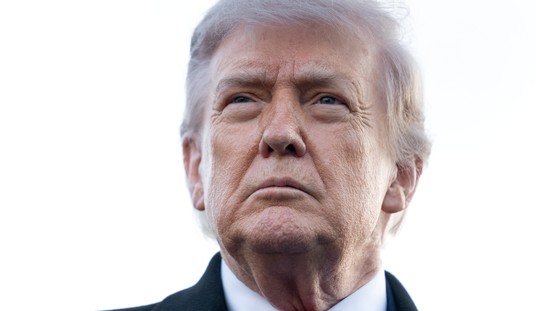
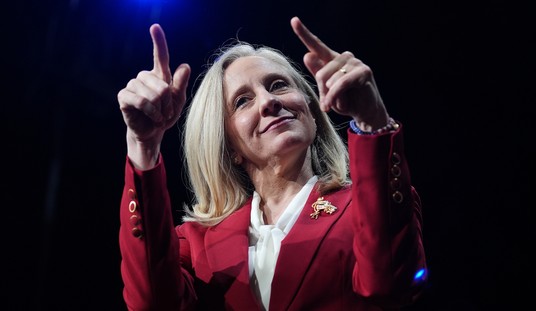
There were whispers of prosecutorial misconduct and other deviations of department policy, but the one that not even CNN’s top legal analyst, Elie Honig, could defend was Smith’s Hail Mary attempt in October 2024 to influence the election. It was one where Trump alone was accused of trying to stay in power, among other things, nuking most of the narratives that led to Smith’s probes. Trump’s words could taint the jury pool. Dude, what is this, then?
Honig penned a damning piece in The New Yorker that should be a cornerstone of the hearing today, at least on the GOP side, the core from which all their inquiries should be derived, because Smith violated the cardinal rule for federal prosecutions. He went rogue when he couldn’t get his trials going, and showed he was willing to bend the rules to get what he wanted:
Smith has essentially abandoned any pretense; he’ll bend any rule, switch up on any practice — so long as he gets to chip away at Trump’s electoral prospects. At this point, there’s simply no defending Smith’s conduct on any sort of principled or institutional basis. “But we need to know this stuff before we vote!” is a nice bumper sticker, but it’s neither a response to nor an excuse for Smith’s unprincipled, norm-breaking practice. (It also overlooks the fact that the Justice Department bears responsibility for taking over two and a half years to indict in the first place.)
Let’s go through the problems with what Smith has done here.
First, this is backward. The way motions work — under the federal rules, and consistent with common sense — is that the prosecutor files an indictment; the defense makes motions (to dismiss charges, to suppress evidence, or what have you); and then the prosecution responds to those motions. Makes sense, right? It’s worked for hundreds of years in our courts.
Not here. Not when there’s an election right around the corner and dwindling opportunity to make a dent. So Smith turned the well-established, thoroughly uncontroversial rules of criminal procedure on their head and asked Judge Chutkan for permission to file first — even with no actual defense motion pending. Trump’s team objected, and the judge acknowledged that Smith’s request to file first was “procedurally irregular” — moments before she ruled in Smith’s favor, as she’s done at virtually every consequential turn.
Which brings us to the second point: Smith’s proactive filing is prejudicial to Trump, legally and politically. It’s ironic. Smith has complained throughout the case that Trump’s words might taint the jury pool. Accordingly, the special counsel requested a gag order that was so preposterously broad that even Judge Chutkan slimmed it down considerably (and the Court of Appeals narrowed it further after that).
Yet Smith now uses grand-jury testimony (which ordinarily remains secret at this stage) and drafts up a tidy 165-page document that contains all manner of damaging statements about a criminal defendant, made outside of a trial setting and without being subjected to the rules of evidence or cross-examination, and files it publicly, generating national headlines. You know who’ll see those allegations? The voters, sure — and also members of the jury pool.
And that brings us to our final point: Smith’s conduct here violates core DOJ principle and policy. The Justice Manual — DOJ’s internal bible, essentially — contains a section titled “Actions That May Have an Impact on the Election.” Now: Does Smith’s filing qualify? May it have an impact on the election? Of course. So what does the rule tell us? “Federal prosecutors … may never select the timing of any action, including investigative steps, criminal charges, or statements, for the purpose of affecting any election.”
“To me if it [an election] were 90 days off, and you think it has a significant chance of impacting an election, unless there’s a reason you need to take that action now, you don’t do it,” said former interim Attorney General Sally Yates, an Obama holdover that Trump fired in his first presidency for refusing to defend his executive order on immigration, erroneously known as the Muslim ban. Honig quoted her to make his point about Smith’s reckless decisions at the end of this legal odyssey.
“If prosecutors bend their principles depending on the identity of their prey, then they’ve got no principles at all,” he wrote.
Republicans should grill Mr. Smith well done today. It’s time.
No one is above the law.
UPDATE: Republicans on the House Judiciary Committee seem ready.
— House Judiciary GOP 🇺🇸🇺🇸🇺🇸 (@JudiciaryGOP) January 22, 2026