
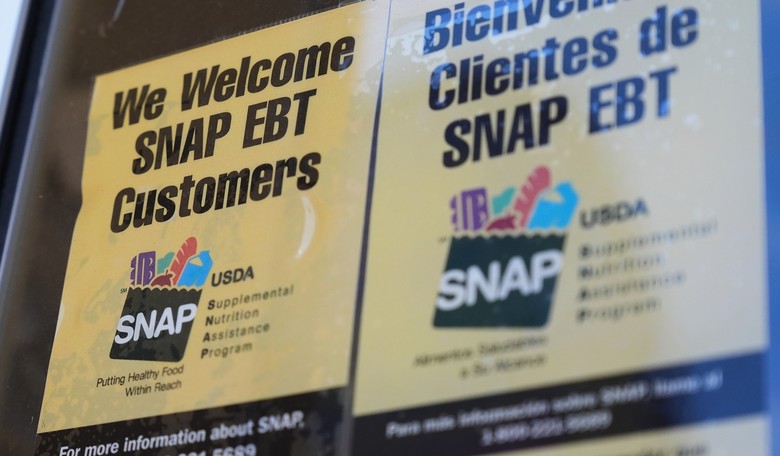
Another day, another case of massive SNAP fraud. Tomorrow, there will be more.
The Supplemental Nutrition Assistance Program (SNAP), formerly known as “food stamps,” is designed to help Americans put food on the table. Its sheer size and complexity, however, make it vulnerable to fraud, and nationwide the amount of fraud is eye-popping.
With an annual budget exceeding $90 billion, SNAP serves roughly 42 million Americans. Most recipients need help, but the program’s structure, especially the use of electronic benefit transfer (EBT) cards, broad eligibility, and limited in-person oversight, encourages opportunities for endless abuse. The upshot? Billions of taxpayer dollars are ripe for exploitation.
Let Us Count the Ways
SNAP fraud takes multiple forms. One major category is “trafficking,” whereby benefits are sold for cash or for non-food items. The USDA Office of Inspector General reported more than $320 million in trafficking nationwide in 2022, while other estimates suggest that the dollar figure could be even higher.
Organized crime rings have been caught running “EBT resale” operations from New York to Los Angeles. In 2021, federal authorities in New Jersey busted a group that trafficked more than $2 million in EBT benefits, converting taxpayer-funded groceries into cash at local corner stores.
Eligibility fraud is a major concern. To qualify for benefits, some recipients underreport income or fail to disclose assets. In 2021, the USDA estimated that billions in SNAP benefits went to ineligible recipients. While small relative to the program’s total budget, this money could otherwise support truly needy households.
States such as California and Texas have faced scrutiny for under-resourced verification systems, which enable fraud to persist on a significant scale. Despite substantial unreported income, in Texas audits revealed thousands of households receiving benefits, annually costing the state millions of dollars.
Enforcement, Wherefore Art Thou?
Some states have the dishonorable distinction of facing both scale and enforcement challenges. New York, for example, has faced repeated cases of store trafficking. These include high-profile cases in Brooklyn where EBT cards were exchanged for cash at multiple delicatessens.
The state of Georgia incurred more than $70 million in improper payments due both to eligibility fraud and to administrative errors. Many Georgia counties struggle to verify applicants efficiently. Meanwhile, Kentucky experiences lax monitoring, which fails to detect small-scale fraud in tight-knit communities.
The COVID-19 pandemic, a half-decade ago, amplified these vulnerabilities. Emergency SNAP expansions increased benefits and loosened verification requirements during the pandemic. Redress has occurred slowly, if at all. The USDA OIG warned that improper payments could spike to four percent of total benefits, equal to several billion dollars. In fact, cases have emerged where recipients received duplicate benefits and where ineligible households enrolled through loopholes. The rushed expansions without adequate safeguards contributed to the chaos.
An Industry in Its Own Right
EBT cards are quite convenient. Concurrently, they are vulnerable to theft, resale, and duplication. Online marketplaces and social media are hotbeds for illicit benefit trading. In one case, federal authorities shut down an Instagram-based operation that facilitated SNAP trafficking across multiple states, involving millions in fraudulent transactions.
While USDA efforts to tighten monitoring continue, enforcement frequently lags behind evolving schemes. This lag allows systemic abuse to persist. And the consequences are serious.
Billions of taxpayer dollars annually are misused. These losses, due to fraud and improper payments, erode trust. Understandably, when taxpayers believe that recipients are gaming the system, political support wanes for such programs. Thereafter, it is harder to enact reforms that actually help the disadvantaged.
Not Rocket Science
The solution is straightforward: tighter income verification, frequent eligibility checks, rigorous auditing of high-risk retailers, and harsher penalties for trafficking.
While state-level monitoring and cooperation with law enforcement could reduce fraud without harming legitimate recipients, some states, notably Minnesota, do not comply. Minnesota has been a fraudster’s paradise, and the hits keep on coming.
Minnesota Gov. Tim Walz, who, by the grace of God, is not our vice president, can’t seem to grasp that the objective is to preserve SNAP’s mission, feeding Americans in need, while minimizing abuse.
Fixing the Leak
SNAP fraud isn’t merely a gaggle of statistics; it’s a tangible drain on taxpayer resources and public trust. Strengthening enforcement, auditing high-risk areas, and holding abusers accountable will reduce fraud, preserve taxpayer dollars, and ensure the program fulfills its original mission. The time to kick into high gear is long past due.
While many on the Left actually enjoy such abuse, the issue before us remains: Are elected GOP officials up to the task?