
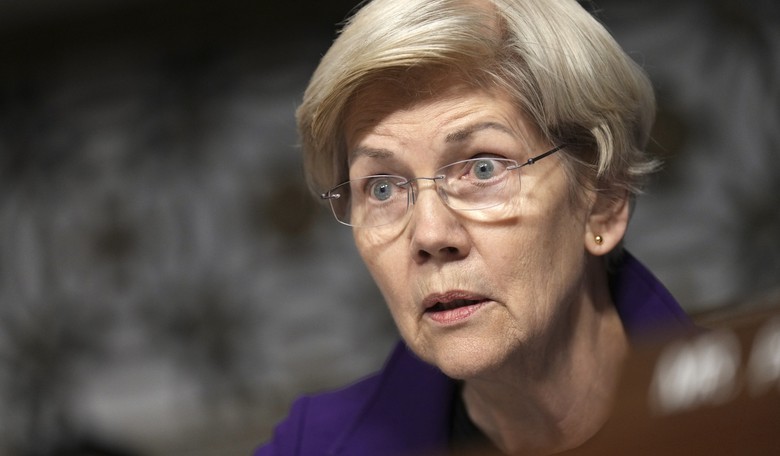
In the biggest shock of the day, a socialist has apparently been told she needs a lesson in economics.
On Friday, Treasury Secretary Scott Bessent blasted a letter from Massachusetts Sen. Elizabeth Warren criticizing the Trump administration’s recent coordinated effort to support the Japanese yen. Warren suggested the administration had effectively opened a new line of credit for one of America’s closest Pacific allies, and warned that taxpayers could be left holding the bill if Japan’s stagnant economy left it unable to repay.
Bessent’s response was simple and sharp: Sen. Warren had, as usual, gotten the basic facts wrong. The United States did not lend Japan money. Instead, the Treasury exchanged euros it already held for Japanese yen, changing one existing currency into another rather than extending any new credit, spending new taxpayer money, or creating a debt Japan would need to repay. Japan therefore has no loan outstanding to the United States, and American taxpayers are not exposed to the risk Warren claimed they would be.
In her latest sciolistic letter to me, @SenWarren made it clear that she knows even less about foreign exchange markets than she does about banking.
— Treasury Secretary Scott Bessent (@SecScottBessent) August 28, 2026
What is equally shocking, but not surprising: not a single member of the media mob has a rudimentary-enough level of financial… pic.twitter.com/0mmp2tapqJ
"In her latest sciolistic letter to me, @SenWarren made it clear that she knows even less about foreign exchange markets than she does about banking. What is equally shocking, but not surprising: not a single member of the media mob has a rudimentary-enough level of financial market literacy to spot her remedial error," Bessent wrote on X, over his official response to the Senator's letter.
"To reiterate: under @POTUS , the United States delivers for America’s trusted partners. For a fuller explanation, I recommend Senator Warren take any entry level course in international finance for her and her staff, or I can personally give her a tutorial on Foreign Exchange for Dummies," he added. "Although I am not holding my breath, I hope her next letter will demonstrate that she has learned the difference between a currency purchase and a swap or a loan."
This came after the yen fell to roughly a 40-year low against the dollar, raising concerns that its rapid decline could further strain Japan’s already slow-growing economy. A weaker yen makes imported goods, including energy and food, more expensive for Japanese households and businesses, fueling inflation and increasing pressure on the country’s financial system.
That matters to the United States as well because Japan is one of America’s most important strategic allies in the Pacific and a central partner in countering Chinese influence. Treasury Secretary Scott Bessent said stabilizing the yen was important not only for Japan, but for financial stability across Asia more broadly. By helping curb swings in the currency, Washington sought to prevent a problem in a key ally’s economy from rippling through regional, and potentially global, markets.
Japan’s economy has faced years of weak growth, while its low interest rates have helped continue to push the yen lower.