
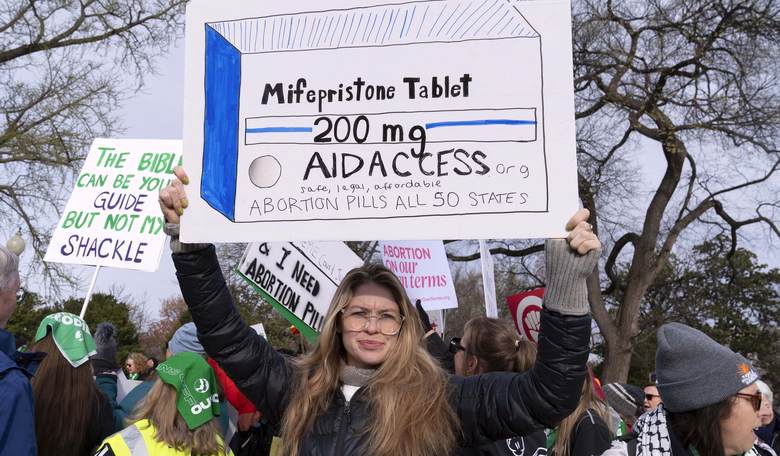
A peer reviewed study found "significant amounts" of mifepristone, an anti-progesterone component of the chemical abortion pill, in the water supply of Austin, Texas, Blacksburg, Virginia and Carbondale, Illinois. Through various tests, the study found that typical water treatment methods were not effective in removing the endocrine disrupting component of mifepristone. The contamination could have serious effects on fertility, fetal development, and pregnancy.
Abortion Pill Chemicals Found in Water Supply of Three American Cities https://t.co/nVCuqT5tk3 pic.twitter.com/y6BxoYj9sq
— LifeNews.com (@LifeNewsHQ) August 4, 2026
The chemical abortion pill, comprised of mifepristone and misoprostol, is available through mail order in all 50 states, despite varying states' restrictions on abortion. Researchers found up to 0.041 micrograms per liter of active mifepristone compounds in the environmental waters of the three cities, and up to 39 parts per trillion in drinking water.
Low dose mifepristone use over time has been found to suppress ovulation and menstruation, and in some cases stop menstruation altogether. Mifepristone's anti-progesterone effects can cancel out progesterone dosages that women may take for various health reasons, according to the study. The study also says that "low progesterone levels in women have been associated with multiple health problems including lower fertility rates, higher rates of miscarriage, and higher rates of other medical complications during pregnancy." While more research is necessary to understand the scope of the environmental effects and the "efficacy of removal methods," the results raise questions about the lack of regulation around the "widely used pharmaceutical."
The findings have also furthered a push to classify mifepristone as an environmental endocrine disruptor, which Liberty Counsel Action President John Stemberger wrote in a statement to LifeNews.
This ground-breaking study shows that chemical abortion drugs are present in U.S. drinking water. This pioneering testing effort, inspired by Students for Life of America, is a critical step in advocating for the EPA to add mifepristone to its contaminant list and evaluate it under the Safe Water Drinking Act, as well as for informing the FDA in its ongoing mifepristone safety review. The concerns about mifepristone’s endocrine disrupting compounds in our drinking water are valid and the government needs to properly evaluate mifepristone’s environmental and public health implications.
The study, “Anti-Progesterone in Environmental Water,” collected water samples from household taps, as well as samples from both upstream and downstream of water treatment facilities. Using PR CALUX, a luciferase bioassay which measures progesterone-receptor-blocking activity, researchers found notable traces of mifepristone in the water of all but one of the nine sampling classes.
Medication abortion currently makes up 63 percent of all formal U.S. abortions. While there is no data directly linking the tracings of mifepristone in the water, researchers infer it is most likely coming from the fecal and urinary excretion by women ingesting mifepristone for chemical abortion.
The results, the study says, should prompt further investigations "into the levels of various hormones and EDCs, including mifepristone, in water sources," considering the inhibiting effects that anti-progesterone can have on the actions of normal progesterone in all women.
The July 20 study, which appeared in Issues in Law and Medicine, a Journal of the Alliance for Hippocratic Medicine, was funded by Charitable Allies, Inc., and authored by Dr. Elise Rose, affiliated with the Charlotte Lozier Institute, and Dr. Michael Varveris.