
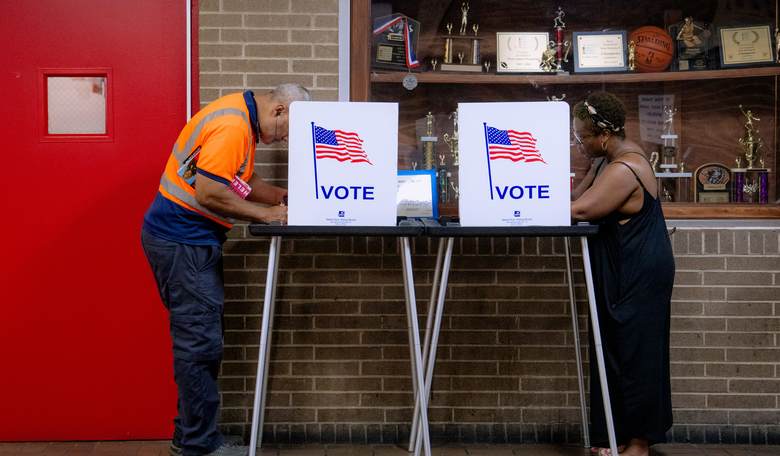
With Election Day just a few weeks away, AARP’s latest poll shows what matters to voters 50-plus in 43 competitive congressional districts.
In a midterm election, you pay close attention to the people most likely to show up. Our survey, conducted October 1-5, by a bipartisan polling team of Fabrizio Ward and Impact Research, found that 83 percent of voters age 50-plus were extremely motivated to vote in November, compared to just 66 percent of voters under 50. That enthusiasm could make older voters especially influential in races expected to be decided by narrow margins, and it shows just how important it is to take their concerns seriously
One number speaks volumes: 94 percent of older voters surveyed say they would support candidates who ensure workers receive the Social Security they earned through a lifetime of hard work. That’s a clear message for those seeking their vote.
But neither party can take their votes for granted. About one in five voters age 50 and older in these districts are persuadable, meaning they are not definitely voting for either the Republican or the Democrat. Candidates still have work to do, and it starts with listening.
Republicans hold a 10-point advantage among older voters in the survey, while Democrats have a narrow lead among voters overall. That difference helps explain why both parties need to pay attention. Even a small shift among older voters could make a difference in a close race.
More than half of older voters surveyed are worried about their personal financial situation. Groceries, gas and healthcare are their biggest cost concerns. When you’re watching every dollar, you want to know how a candidate’s proposal will help you pay the bills. That’s what affordability comes down to.
Social Security is a big part of that picture. Nearly six in 10 older voters in these districts say it is or will be a major source of income for their household. People have paid into Social Security through years of hard work. They’ve done their part, and they deserve to know how candidates will protect the payments they earned.
Healthcare costs matter, too. Eighty-five percent of voters age 50 and older say they would be more likely to support a candidate who would expand Medicare’s ability to negotiate drug prices to help lower prescription drug costs.
The poll also shows strong support for family caregivers: 77 percent of older voters surveyed say they would be more likely to support a candidate who backs a tax credit to help working family caregivers cover the costs of providing unpaid care to a loved one. The people elected this November will help make decisions about Social Security, Medicare and the costs families face. Those decisions will matter long after the campaign ads stop running. Voters deserve clear answers now and follow-through after the election.
At AARP, we listen to what older voters are telling us and bring those concerns to the candidates. We do not endorse or contribute to political candidates, parties or campaigns. We will never stop fighting to protect and strengthen the Social Security payments you’ve earned.
Before you vote, ask candidates how they will protect Social Security and help make everyday expenses more affordable. Read the full poll results at aarp.org/cdelectionpoll.
You can find detailed information about how to vote in your state, what new laws (if any) affect voting in the 2026 election, and when key deadlines are by visiting aarp.org/vote.