
The 250th birthday of the United States has been a time of celebration and reflection across the nation. It’s a moment to honor our proud history, our values, our freedoms, and the men and women in uniform who, across generations, have bravely fought to preserve them.
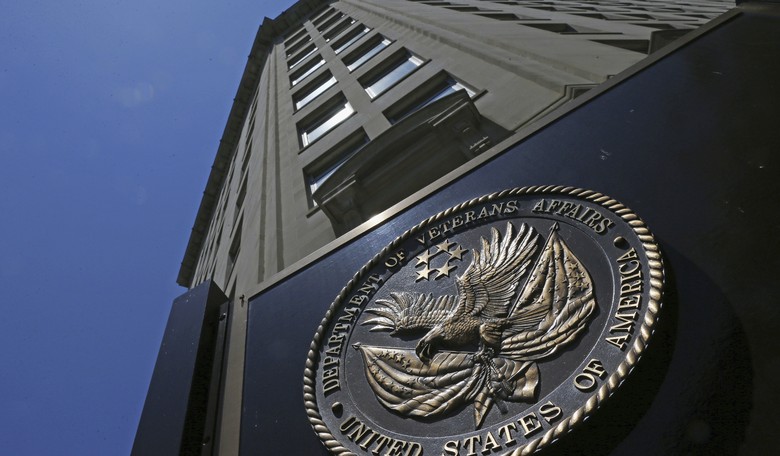
However, in 1999, just two years before America deployed 2.5 million servicemembers over two decades of war, the Department of Veterans Affairs quietly ended an almost 70-year promise to provide continuous healthcare to our veterans—regardless of their incarceration status. This was a grave mistake, not only for the welfare of the men and women who served our country, but for the public safety of communities across America.
There are 15.7 million veterans living in the United States, and 31% have been arrested or incarcerated at some point in their post-service life. Veterans like Isaiah Thompson, Ron Self, and Hector Matascastillo served our country with honor, but they also represent what can happen when service members leave the military with unique service-connected physical and mental health needs that go untreated. They did not receive the care they deserved—and the care that they were promised.
For too long, an administrative rule has allowed America to break its promise to veterans by denying them treatment for service-connected conditions while incarcerated. This is not only a moral failure, but also a mistake that undermines public safety. Our country owes veterans more than gratitude. It owes them the care they were promised in the moments they need it most.
Veterans enter correctional facilities suffering from PTSD, traumatic brain injuries, chronic pain, substance use disorders, military sexual trauma, and other conditions developed as a result of their service. These issues can contribute to criminal behavior and create barriers to successful reentry into civilian society.
The VA’s refusal to provide treatment does not eliminate these challenges—it simply shifts the cost elsewhere.
This decision creates two significant costs. The first is the cost of failing to treat incarcerated veterans whose physical and mental health were adversely affected by their service. The second is the public safety cost created when untreated trauma, mental illness, and service-connected disabilities increase the likelihood of future victimization and recidivism.
Both costs are passed on to states, communities, correctional facilities, and taxpayers, because untreated trauma does not subside or remain locked behind prison walls. It follows individuals back into our communities.
There may have once been an argument that cost made continuity of care difficult, but that argument is increasingly outdated. With the advancement of telehealth and other medical technologies, the infrastructure now exists to provide quality care more efficiently and at a lower cost—even behind bars. What was difficult in 1999 is routine today, making it easier than ever for VA clinicians to continue treating veterans they already serve.
The decision to end this care was made by an administrative agency, not through an act of Congress. If the VA cannot correct this mistake, it is imperative that the legislative branch step up to restore this promise.
The goal is not to unnecessarily expand government’s role in veteran care or create an unreasonable burden on taxpayers. Instead, the goal is to ensure the promise made to every veteran is honored. Congress should amend the Veterans’ Health Care Eligibility Reform Act of 1996 to ensure service-connected care continues regardless of incarceration status.
America has already invested approximately $1.5 trillion in recruiting, training, equipping, deploying, and supporting servicemembers. The comparatively modest cost of treating service-connected conditions is part of that same obligation. If America can afford to send young men and women into harm’s way, it can afford to care for the wounds that service leaves behind.
In our 250 years, America has always understood that military service is public service; therefore, it creates a unique obligation for the public. Benefits for our servicemembers are not charity; they are earned. While a criminal conviction may justify a loss of liberty in the name of public safety, it does not erase a person’s service to this nation nor the debt we owe them for preserving our freedom.
Our great nation asked these men and women to risk everything in its defense. We should not, and cannot, abandon them when fulfilling our own promise becomes inconvenient.
Joey Comley is the Kentucky and Tennessee State Director for Right On Crime and a seasoned attorney with more than 20 years of experience in criminal law, military justice, and government investigations. A retired U.S. Army Lieutenant Colonel, he now maintains a private practice focused on military criminal defense and complex government investigations.