


For more than a generation, James Carville's campaign maxim, "It's the economy, stupid," has been held up as an essential truth of American politics.
There's no denying that a strong economy is an incumbent president's best friend. Seventy-three percent of voters currently rate the economy as a very important issue. As a result, if the economy remains strong for another 1 1/2 years, many analysts believe President Donald Trump will be favored to win reelection. On the other hand, if a recession hits next year, we will almost certainly have a new president in 2021.
However, recent data about the president's trade wars suggests that a sizable number of voters consider other factors more important than economics.
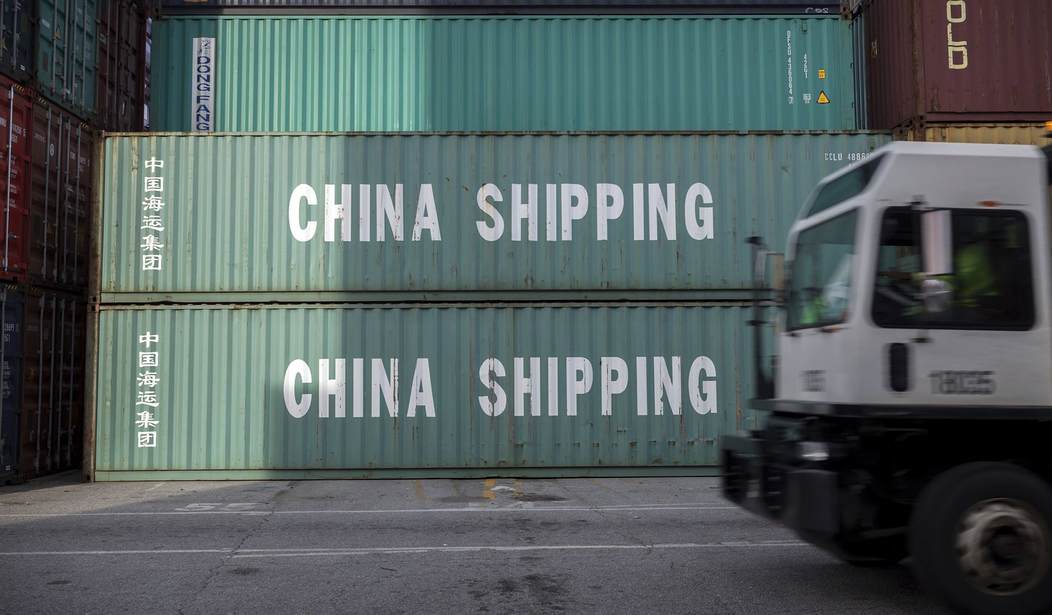
For example, just 31% believe higher tariffs on goods imported from China will be good for the United States. However, a much larger number -- 58% -- support such tariffs. In other words, more than a quarter of all voters think the tariffs will be harmful to our economy but still support them.
A similar dynamic is found on the president's call for higher tariffs on Mexico. Just 25% believe they will be good for our country, but 50% support those tariffs. Again, one-fourth of the nation's voters support a policy they think will hurt economically.
Adding to the mystery is that support for tariffs comes despite the fact that 8 out of 10 voters believe free trade is generally good for the United States. Eight out of 10 also believe free trade creates more jobs in our country than it destroys.
Given these realities, why is there such support for policies that many believe will hamper our economy? It's because -- when dealing with other nations -- many Americans consider some things more important than the economy.

In the case of China, 63% believe China has used trade to take advantage of the United States. Only 13% disagree. This suggests that many voters see these trade negotiations as a matter of fairness rather than transactional economics.
As for Mexico, the defining factor is immigration debate. While 77% of voters believe that legal immigration is good for the United States, 82% believe illegal immigration is bad. Voter frustration is boiling over because of a long-held belief that political elites in Washington have no interest in stopping illegal immigration. So, 50% think tariffs are worth a try even at the risk of short-term economic pain.
What's especially interesting about the data is that voters are far from certain this approach will work. Just 39% have any confidence that the president's approach will encourage the Mexican government to help stop illegal immigration. But 50% are willing to try it.
This suggests that voters are tired of political leaders telling them what solutions won't work and then using that as an excuse for inaction. If China is taking advantage of us, stand up to them. If Mexico can help stem the tide of illegal immigration, get them to do so.
This attitude echoes President Franklin D. Roosevelt's belief in "bold, persistent experimentation." In the midst of the Great Depression, FDR said: "It is common sense to take a method and try it. If it fails, admit it frankly and try another. But above all, try something."
Scott Rasmussen is the publisher of ScottRasmussen.com. He is the author of "The Sun Is Still Rising: Politics Has Failed But America Will Not."






Join the conversation as a VIP Member