





Today it's clear that the economy is not doing well. Gross domestic product contracted at an annual rate of 1.5% in the first quarter of 2022, according to the U.S. Bureau of Labor Statistics, and inflation is at a 40-year high.
What we do know is that consumers are feeling the burden of rising prices, and there are still supply chain issues resulting in shortages or delays of products.
How did inflation happen? Well, lots of stimulus money issued over the past two years is chasing the same goods and services, and inflation is the result. The stock market has dropped, and stock volatility is up. The question that we won't be able to answer for a while is this: Are we going to go through a recession or a depression?
According to the Merriam-Webster online dictionary, a recession is "a downward trend in the business cycle, one that is characterized by a decline in production and employment. This trend lowers household income and spending, which consequently causes many businesses and households to delay making large investments or purchases."
But a depression is far different, according to Merriam-Webster, which describes it as "a major downswing (far more severe than a downward trend) in the business cycle; one which is characterized by sharply reduced industrial production, widespread unemployment, a serious decline or cessation of growth in construction, and great reductions in international trade and capital movements. Another difference between a recession and a depression, in addition to the severity and effects of each, is that recessions may be limited geographically (limited to a single country), whereas depressions (such as the Great Depression of the 1930s) can occur across many nations."
Recommended
As inflation has gained ground, the personal savings rate dropped from 6.0% in January to 4.4% in April, according to BLS. This means that there is not much more consumers can absorb in terms of inflation. They will begin to start deferring purchases, buying cheaper items and finding other ways to cut their expenditures. While employment has held up so far, we are beginning to see news of layoffs.
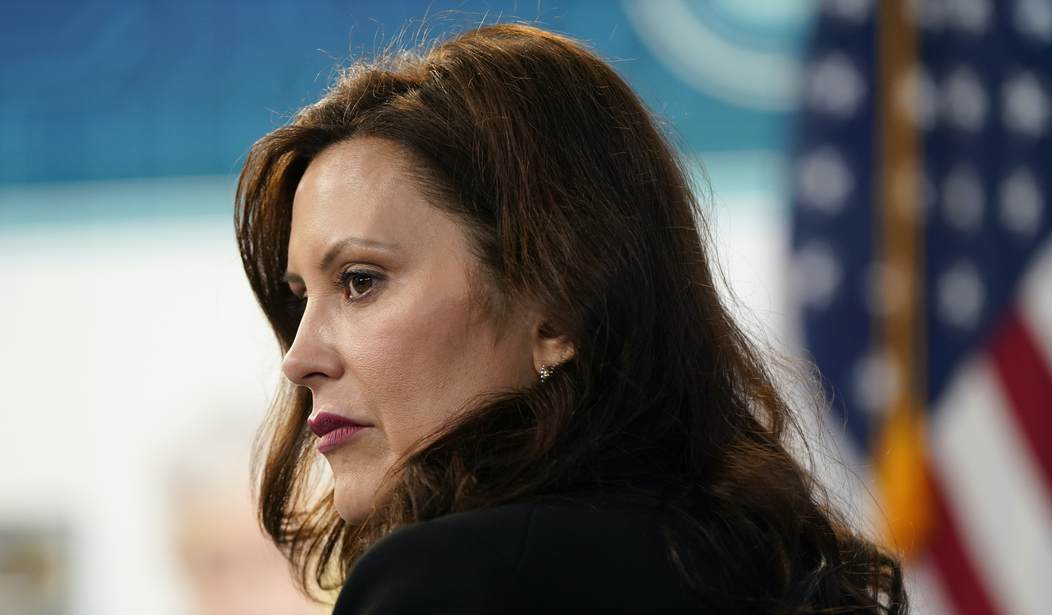
The only good bit of economic news came from Michigan last week, when Gov. Gretchen Whitmer signed into law a requirement for high schools to include financial literacy in their curricula beginning in 2024. While this will not help with the current situation, it is certainly helping to set Michigan students up for success in the future.
"I am proud to sign this bipartisan bill requiring all public school students to take a personal finance course," stated Whitmer. "Every young Michigander deserves to know how to budget, save, and invest their money wisely so they can get off (to) a great start after high school, whether they go to college, start working, or open a small business." Everyone has to make financial decisions, and the earlier they learn how to make good decisions, the earlier they will be able to take steps to ensure their finances go in the right direction.
The Atlanta Society of Finance and Investment Professionals Foundation has been working to help our community thrive by providing people with financial education. We work with many organizations to provide financial literacy training and have posted financial literacy videos online in English and Spanish. Our goal is to help everyone achieve financial well-being. This begins by understanding the impact of making financial decisions. It's easier to build wealth over a lifetime than to figure out how to recover from bad decision-making decades later. The goal is for people to be in control of their finances rather than have their finances control them.
While this might be a bit too pie in the sky considering where we are today, in a volatile and concerning environment, we know that, over time, the economy will get better; it's just a matter of when. We can't control the timing, but we can control what we do to ensure the next generation has the tools and knowledge they will need to make good decisions in any economic environment, and we can pass legislation today that would be beneficial for generations to come. Reach out to your elected officials and let them know that now is the time to act on financial literacy.
To find out more about Jackie Gingrich Cushman and read features by other Creators Syndicate writers and cartoonists, visit www.creators.com.





Join the conversation as a VIP Member